Common Baking Ingredients — Cups to Grams
| Ingredient | 1 Cup | ¾ Cup | ½ Cup | ¼ Cup |
|---|---|---|---|---|
| All-Purpose Flour | 120g | 90g | 60g | 30g |
| Granulated Sugar | 200g | 150g | 100g | 50g |
| Brown Sugar (packed) | 220g | 165g | 110g | 55g |
| Powdered Sugar | 120g | 90g | 60g | 30g |
| Butter | 227g | 170g | 113g | 57g |
| Cocoa Powder | 85g | 64g | 43g | 21g |
| Milk / Water | 240g | 180g | 120g | 60g |
| Vegetable Oil | 218g | 164g | 109g | 55g |
| Honey / Syrup | 340g | 255g | 170g | 85g |
| Cream Cheese | 230g | 173g | 115g | 58g |
Oven Temperature Conversion Chart
| Description | °F | °C | Gas Mark |
|---|---|---|---|
| Very Low | 250°F | 120°C | ½ |
| Low | 300°F | 150°C | 2 |
| Moderate | 325°F | 165°C | 3 |
| Standard Bake | 350°F | 175°C | 4 |
| Moderate Hot | 375°F | 190°C | 5 |
| Hot | 400°F | 200°C | 6 |
| Very Hot | 425°F | 220°C | 7 |
| Extremely Hot | 450°F | 230°C | 8 |
Why Weight Matters in Baking
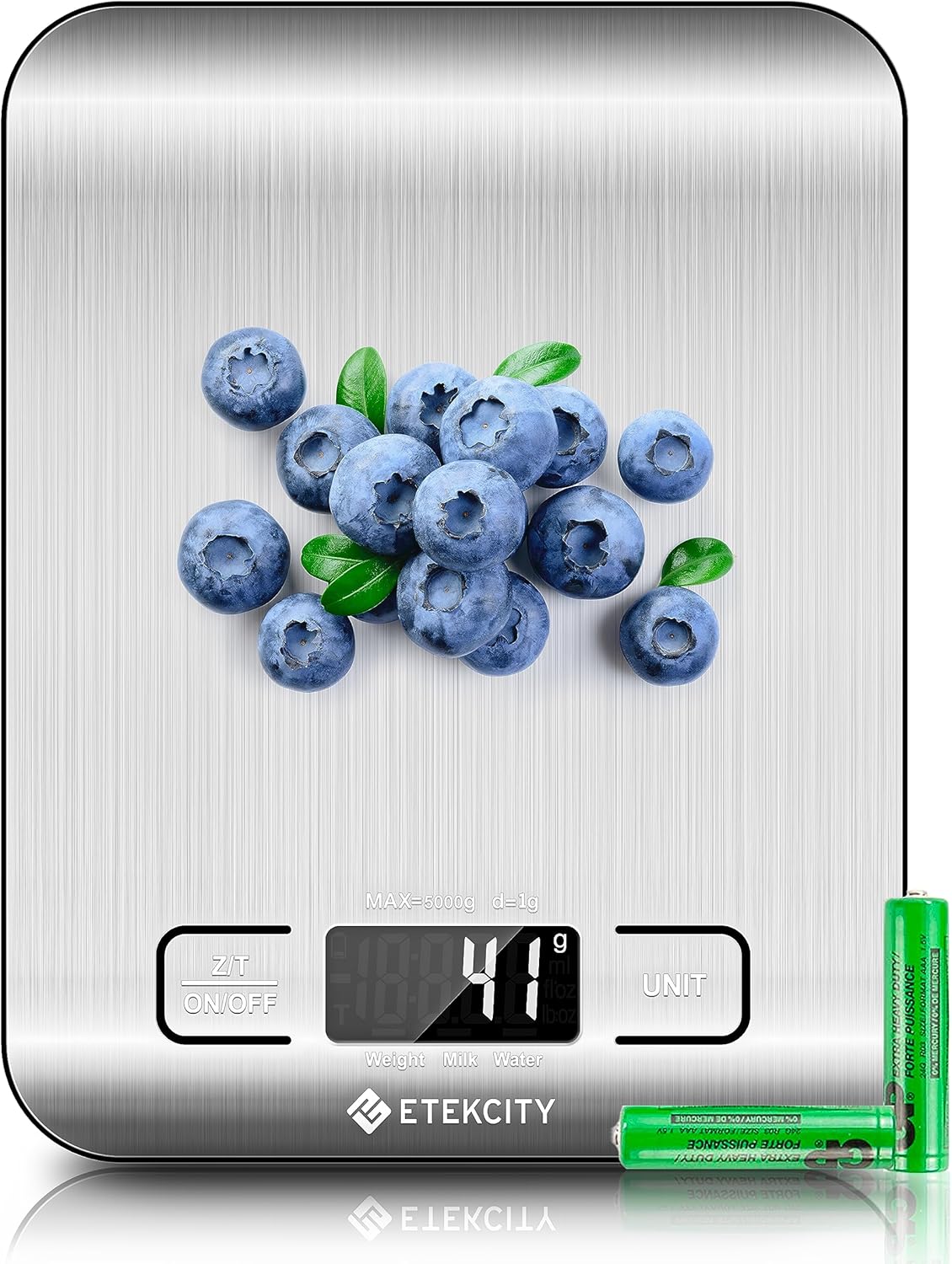
Unlike cooking, baking is precision chemistry. A cup of flour can weigh anywhere from 110g to 160g depending on how you scoop it, which is enough variation to turn a fluffy cake into a dense brick. Professional bakers always measure by weight because it's consistent, fast, and eliminates the biggest source of baking failures.
Common Conversion Mistakes
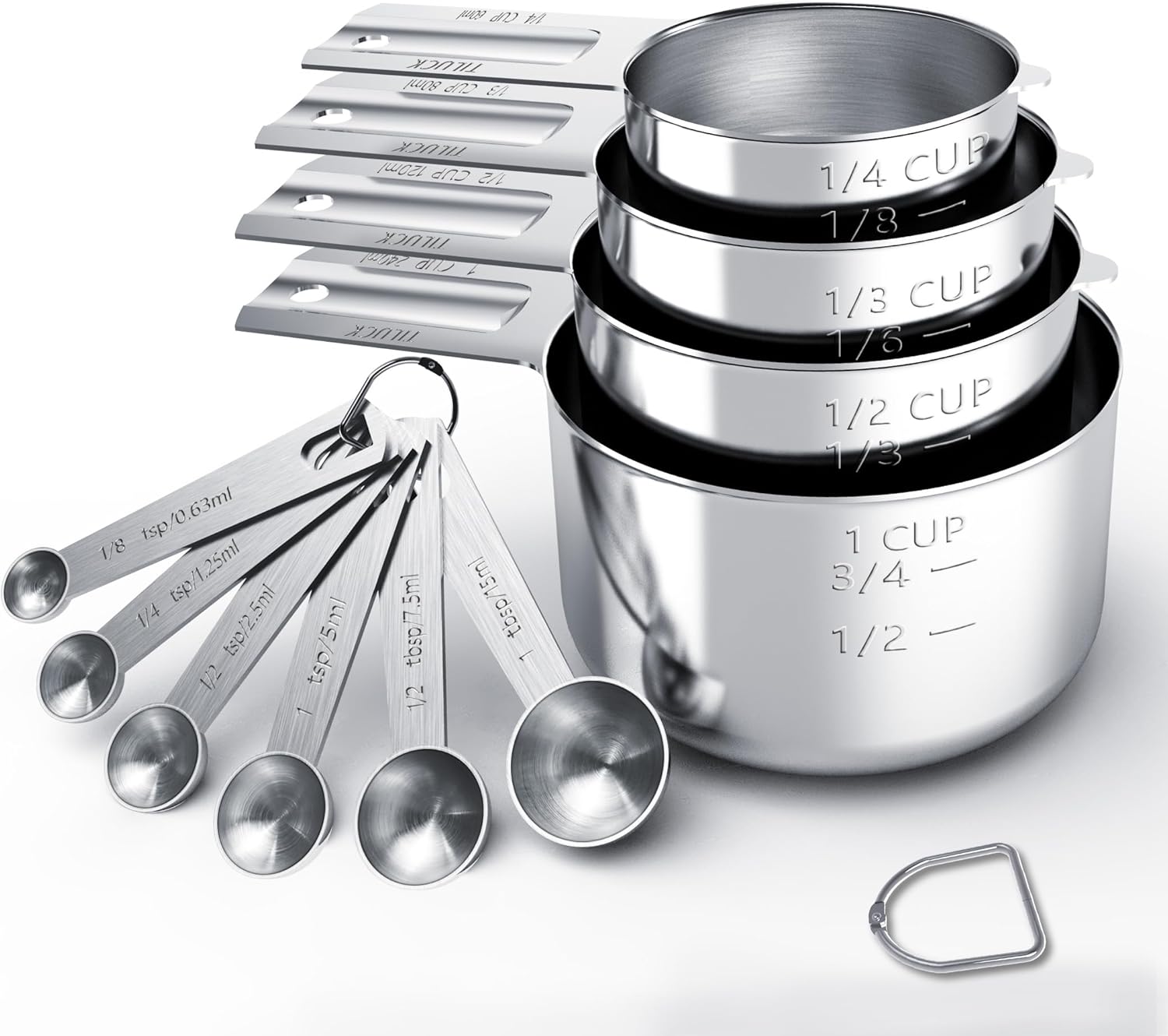
The most frequent baking mistake is using liquid measuring cups for dry ingredients (or vice versa). Liquid cups measure volume at the fill line, while dry cups are meant to be leveled off. This difference alone can introduce a 10-15% error in your measurements.
Another trap: packed vs. spooned. Brown sugar is "packed" into the cup (pressed down firmly), but flour should be spooned in gently and leveled — never scooped directly from the bag, which compresses it and gives you too much.
Metric vs Imperial in Baking
Most of the world uses metric (grams and Celsius), while American recipes default to cups and Fahrenheit. If you bake from international recipes or watch British baking shows, a good kitchen scale is essential. The investment pays for itself immediately in better, more consistent results.
Temperature Tips
- Always preheat — most ovens take 15-20 minutes to truly reach temperature, even after the indicator light turns off.
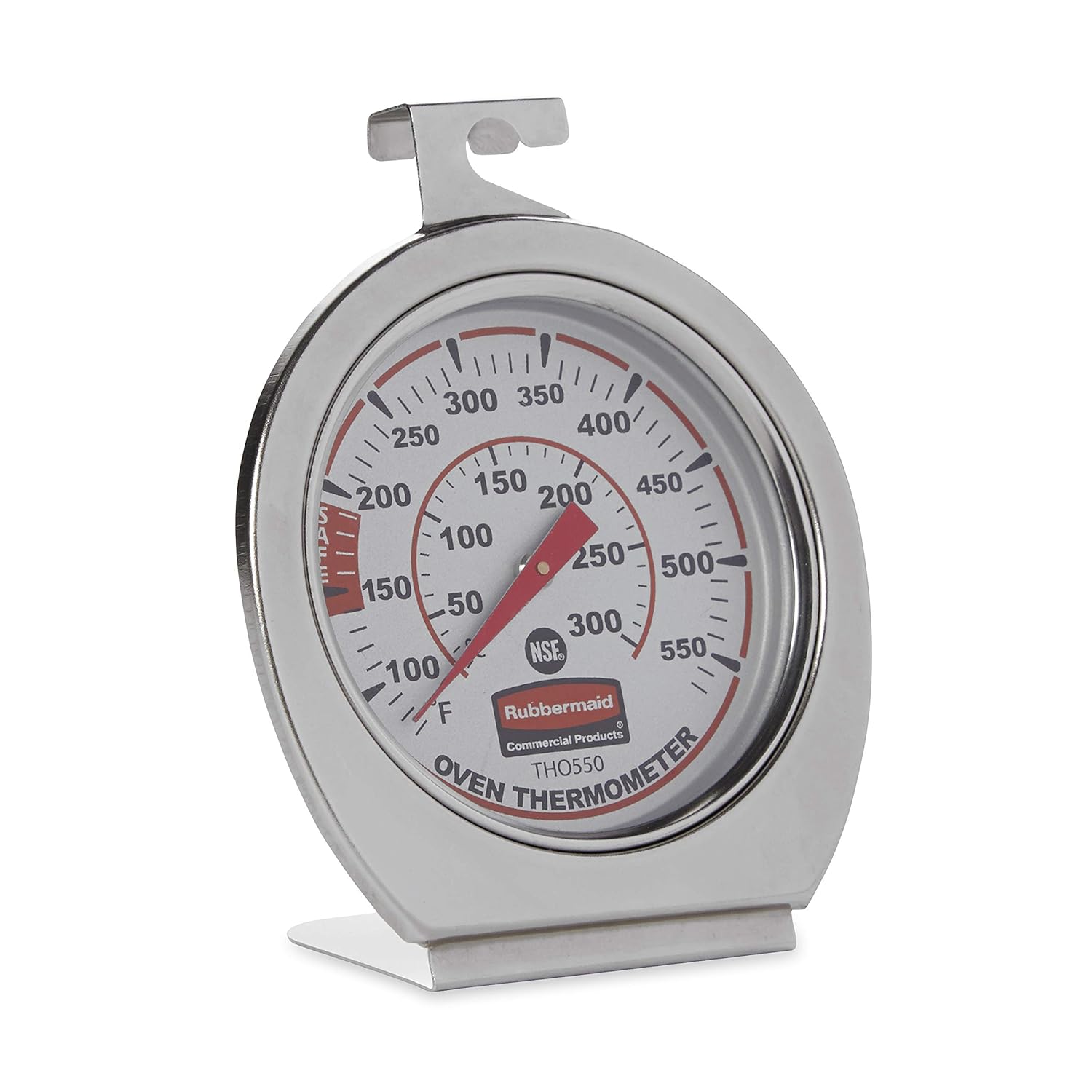
- Use an oven thermometer — home ovens are frequently off by 15-25°F. A $7 thermometer saves dozens of overbaked cakes.
- Fan/convection ovens — reduce temperature by 25°F (15°C) from what the recipe states, or reduce baking time by about 25%.
- Altitude adjustments — above 3,500 feet, increase oven temperature by 15-25°F and reduce sugar slightly.